
 Window Tinting & Decals
The evolution of gambling a historical perspective on human behavior
The evolution of gambling a historical perspective on human behavior
The Origins of Gambling
Gambling is a practice that dates back thousands of years, with the earliest known evidence found in ancient China around 2300 BC. Archaeologists discovered tiles and artifacts that suggest games of chance were played, possibly linked to a form of lottery or betting on outcomes. This primitive form of gambling reflects humanity’s inherent fascination with luck and risk, which has driven the evolution of various gaming practices over millennia. In this context, many players are turning to platforms like australian online casino accepting neosurf, which provide secure alternatives for modern gambling.
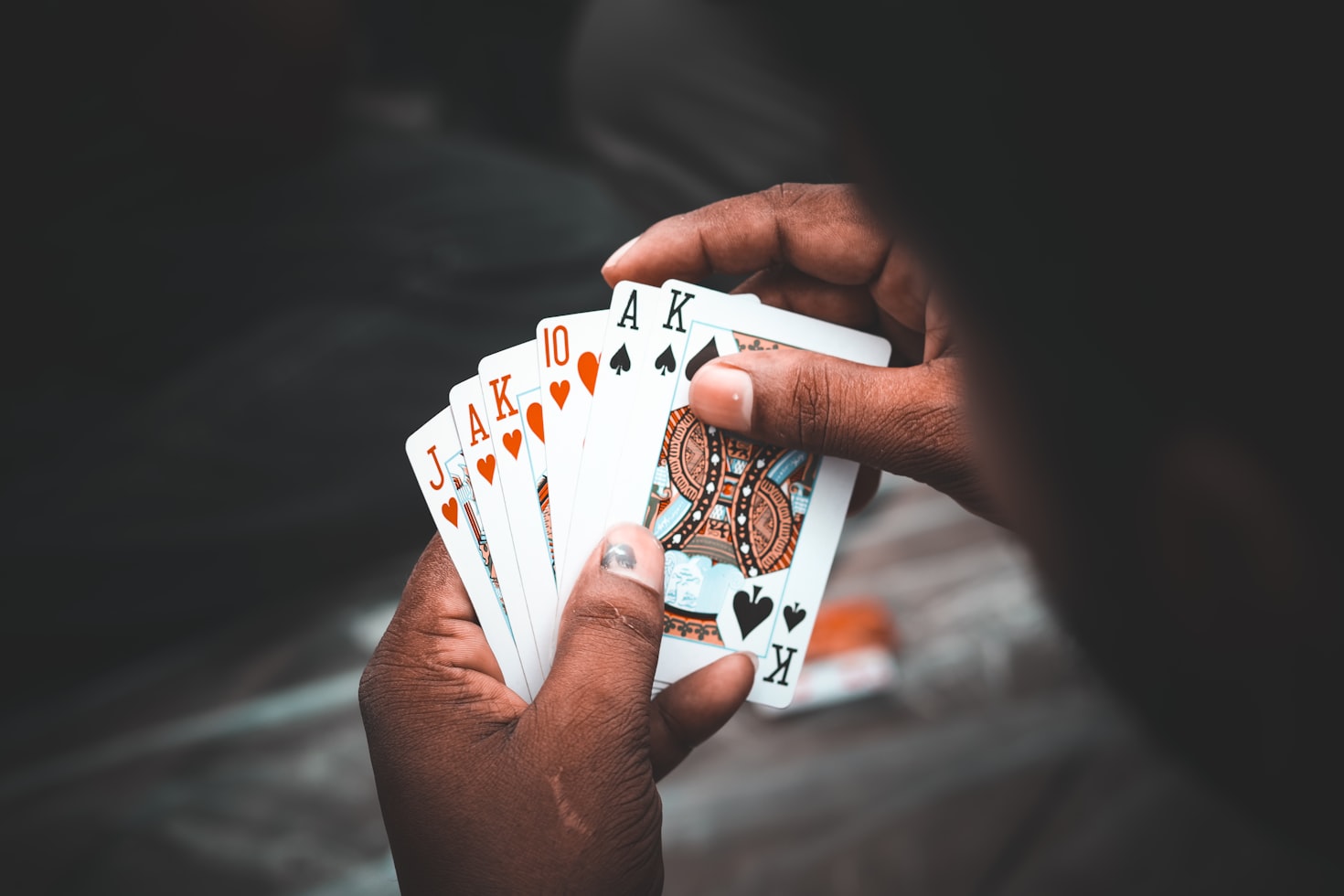
In ancient Rome, gambling flourished within the context of social gatherings, often intertwined with political and military events. Dice games were particularly popular, and bets were placed on everything from gladiatorial contests to the outcomes of significant events. Such activities were not merely forms of entertainment; they represented a societal microcosm where fortunes could be gained or lost, highlighting the psychological allure of risk-taking behavior.
The advent of gambling in different cultures revealed how integral it was to human interaction. From the sacred rituals of ancient Egypt to the elaborate betting systems of medieval Europe, gambling has served multiple purposes—social bonding, financial gain, and even spiritual connections. As societies evolved, so did the forms of gambling, adapting to cultural norms and technological advancements while maintaining the core human desire to engage in risk and uncertainty.
The Rise of Modern Gambling
The 17th century marked a significant turning point in the evolution of gambling, especially in Europe. The establishment of formal gambling houses, or casinos, began during this period, reflecting a growing societal acceptance of gambling as a mainstream activity. These establishments offered structured environments for various games, transforming gambling from informal gatherings to organized entertainment venues where people from different social strata could engage in games of chance.
In the 18th and 19th centuries, gambling expanded with the introduction of lotteries and betting on horse races, which quickly became popular across the United Kingdom and America. Lotteries were often state-sponsored, designed to fund public projects, while horse racing became synonymous with social events. The emergence of these systems not only heightened public interest but also encouraged the development of regulations aimed at managing and legitimizing gambling activities, reflecting an evolving societal relationship with chance.
The technological revolution of the late 19th century further transformed gambling practices. The invention of the mechanical slot machine and the establishment of the first legal casinos in places like Nevada in the early 20th century initiated a new era. The accessibility of gambling was significantly enhanced, allowing more individuals to participate. This boom underscored the psychological and social complexities of gambling, as more people sought entertainment and potential financial rewards in this emerging industry.
The Psychological and Sociological Aspects of Gambling
The motivations behind gambling are complex and multifaceted, influenced by a mixture of psychological and sociological factors. For many individuals, gambling serves as an escape from daily life or a means to socialize. It fosters a sense of community, as players often gather in groups, sharing experiences and cultivating relationships centered around games. This social dynamic highlights the role of gambling in human behavior as not merely a solitary activity but as a collective experience.
The thrill associated with gambling is primarily driven by the anticipation of potential rewards, which can induce adrenaline and excitement. Psychologically, this can create a compelling cycle of engagement, where the highs of winning can lead to a desire to chase further excitement, often referred to as the “gambler’s fallacy.” This behavior illustrates how gambling taps into deeper psychological traits, including risk tolerance and the desire for control over unpredictable outcomes.
Moreover, societal perceptions of gambling play a significant role in shaping individual behaviors. In cultures where gambling is stigmatized, individuals may experience guilt or shame associated with their activities, which can perpetuate problematic gambling behaviors. Conversely, in societies where gambling is embraced, it can be viewed as a legitimate form of entertainment, leading to broader acceptance and increased participation, illustrating how societal norms and values intersect with personal choices in the realm of gambling.
Technological Advancements and the Future of Gambling
The emergence of the internet in the late 20th century revolutionized the gambling landscape. Online casinos, poker rooms, and sports betting platforms became accessible to millions globally, democratizing gambling in unprecedented ways. Players could now participate in gambling activities from the comfort of their homes, blurring the lines between traditional and modern gambling practices. This evolution not only expanded the market but also reshaped the way individuals interact with gambling, as online gaming communities began to form.
Mobile technology has taken this transformation further, allowing players to engage in gambling activities through smartphones and tablets. This accessibility has led to a surge in participation, particularly among younger demographics who prefer the convenience and flexibility of mobile gaming. With live dealer games and virtual reality experiences, the future of gambling promises to be even more immersive, providing players with interactive experiences that simulate the atmosphere of a physical casino.
As technology continues to evolve, discussions around responsible gambling and regulatory frameworks are increasingly pertinent. Innovations in data analytics and artificial intelligence are being employed to enhance player protection and promote responsible gaming practices. Understanding gambling patterns and behaviors will play a crucial role in shaping future regulations and ensuring that the industry evolves sustainably, balancing entertainment with the need for consumer safety.

Neosurf Casino Australia: A Safe Gaming Experience
Neosurf Casino Australia exemplifies the modern evolution of gambling, focusing on providing a secure and user-friendly platform for players. Utilizing prepaid vouchers, Neosurf allows individuals to fund their gaming accounts without revealing sensitive banking information. This feature not only enhances security but also appeals to players who prioritize privacy while engaging in online gambling activities.
The platform features a wide range of gaming options, including popular pokies and table games, catering to diverse player preferences. By partnering with top-rated casinos, Neosurf ensures that players have access to enticing bonuses and promotions, enhancing their gaming experience. The user-friendly interface facilitates easy navigation, making it simple for players to find their preferred games and engage in real money gambling.
As the gambling landscape continues to evolve, Neosurf Casino Australia stands out by prioritizing player safety and providing a seamless gaming experience. With quick deposit options and a commitment to responsible gaming, Neosurf not only reflects the historical evolution of gambling but also positions itself as a forward-thinking platform that embraces future trends in the industry.